Knees that feel stiff when you get out of bed. A shoulder that won’t loosen up. Aches in your hands, hips, or back that seem to appear out of nowhere. Most women chalk these changes up to getting older or overdoing it at the gym.
But for many women in perimenopause and menopause, there’s a hormonal thread connecting these aches, and it’s one that rarely comes up in the exam room.
This year, the International Menopause Society has named Chronic Pain in Midlife the official theme for World Menopause Day 2026, observed every year on October 18. It’s a long-overdue spotlight on a symptom women feel every day but are seldom told is connected to their hormones.
Your Hormones Have Been Managing Pain All Along
Estrogen, testosterone, and progesterone all have meaningful anti-inflammatory and pain-modulating properties. For decades, they quietly help your body keep inflammation in check and pain at a manageable level.
When these hormones decline, that natural protection diminishes. Pain your body once managed on its own can emerge or intensify, often without an obvious cause.
How Each Hormone Plays a Role
Estrogen: Your Body’s Natural Anti-Inflammatory
Estrogen is one of the body’s most powerful natural anti-inflammatory agents. It helps regulate inflammatory cytokines, the signaling proteins that drive inflammation throughout the body, and it directly influences how your nervous system perceives pain.
Estrogen receptors are found in your joints, muscles, cartilage, tendons, and connective tissue. Estrogen supports collagen production to keep tissue strong and flexible, and helps maintain the cartilage that cushions your joints. When estrogen declines, inflammation that was once kept in check can escalate, contributing to joint pain, muscle soreness, and greater sensitivity to pain overall.
Testosterone: Strength, Repair, and Resilience
Testosterone isn’t only a male hormone. In women, it supports muscle mass and tissue repair and has its own anti-inflammatory effects. As testosterone declines, muscles recover more slowly, tissues become more vulnerable, and the body has a harder time managing inflammation.
Many women with low testosterone describe a generalized achiness and reduced physical resilience. They often attribute it to aging, when it’s frequently hormonal.
Progesterone: Calm for Your Nervous System
Progesterone has natural anti-inflammatory properties, supports tissue repair, and helps regulate the nervous system’s response to pain. Its calming effect also supports deeper, more restorative sleep, which is when much of your body’s repair work happens.
As progesterone declines during perimenopause, some women notice a heightened sensitivity to pain and discomfort that wasn’t there before.
Where Women Feel It Most
Hormone-related pain looks different for every woman, but common experiences include:
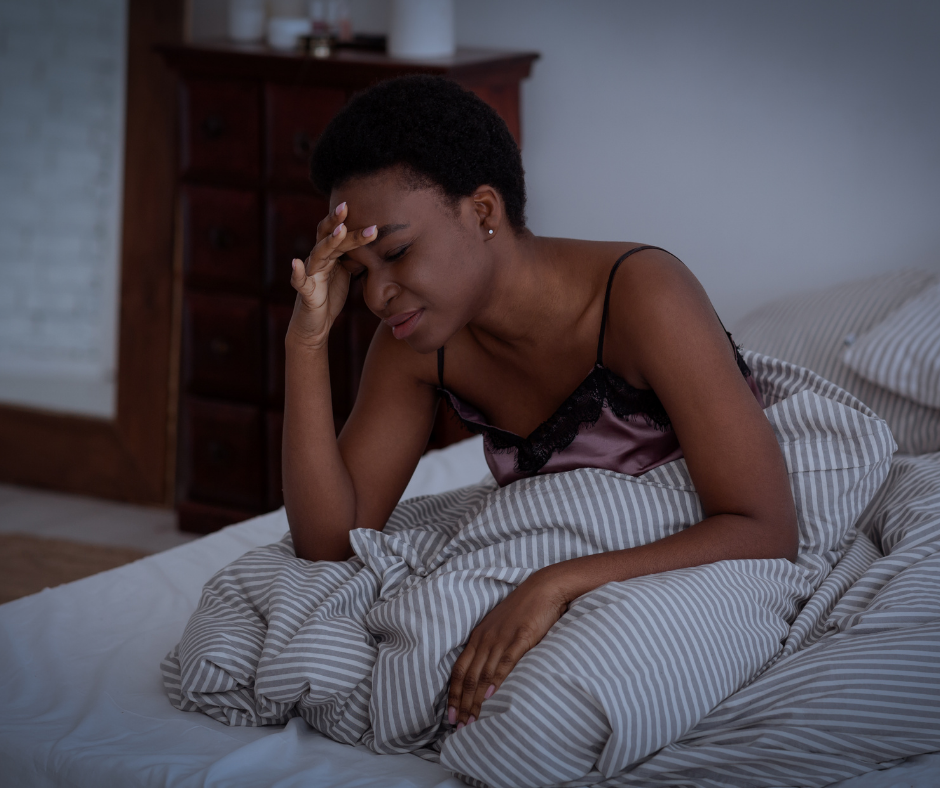
Joint pain and stiffness, especially in the knees, hips, hands, and fingers, often worst first thing in the morning.
Frozen shoulder, a painful stiffening of the shoulder joint that occurs most often in women during their late 40s and 50s.
Muscle aches and slower recovery after workouts or everyday activity.
Changes in headaches or migraines as hormone levels fluctuate.
Many women live with these symptoms for years without anyone connecting them to hormonal change.
The Inflammation Connection
Chronic low-grade inflammation is one of the most significant drivers of age-related health concerns, and hormone decline can speed it along.
Without the anti-inflammatory support of balanced estrogen, testosterone, and progesterone, inflammatory markers can rise. That affects more than your joints. It also touches your cardiovascular health, cognitive function, and metabolism.
That’s why calming inflammation through hormone optimization is about more than relieving pain. It supports your vitality, your resilience, and how well you feel and function for years to come.
Pain and Sleep: A Two-Way Street
Pain makes it harder to sleep. Poor sleep makes pain feel worse. During menopause, these two challenges can feed each other in a frustrating cycle. Restoring progesterone’s calming influence can help break that cycle, so better sleep leads to less pain, and less pain makes sleep come more easily.
How BHRT Can Help
Bioidentical hormone replacement therapy restores the hormones your body has relied on to manage inflammation and pain. For many women, balanced hormone levels can support:
- More comfortable, flexible joints
- Better muscle recovery and physical resilience
- Healthier connective tissue and collagen
- A calmer inflammatory response
- Better sleep and recovery
- Stronger bones, which also protect against future fractures
Every ache isn’t hormonal, and that’s exactly why a careful evaluation matters. Joint pain can also stem from injury, arthritis, thyroid changes, or other conditions. Part of our role is helping you sort out what’s hormonal, what isn’t, and what deserves a closer look.
What We’re Seeing in Practice
Patients who optimize their hormones through a comprehensive BHRT protocol frequently report improvements they didn’t anticipate: more comfortable joints, faster muscle recovery, and a renewed sense of physical resilience.
Many women come to Longevità for hot flashes or sleep disruption and discover that the joint pain they’d accepted as “just getting older” improves right alongside their other symptoms.
The women who see the most dramatic improvements pair hormone optimization with anti-inflammatory lifestyle habits. Hormones build the foundation, and daily habits amplify the results.
Habits That Amplify Your Results
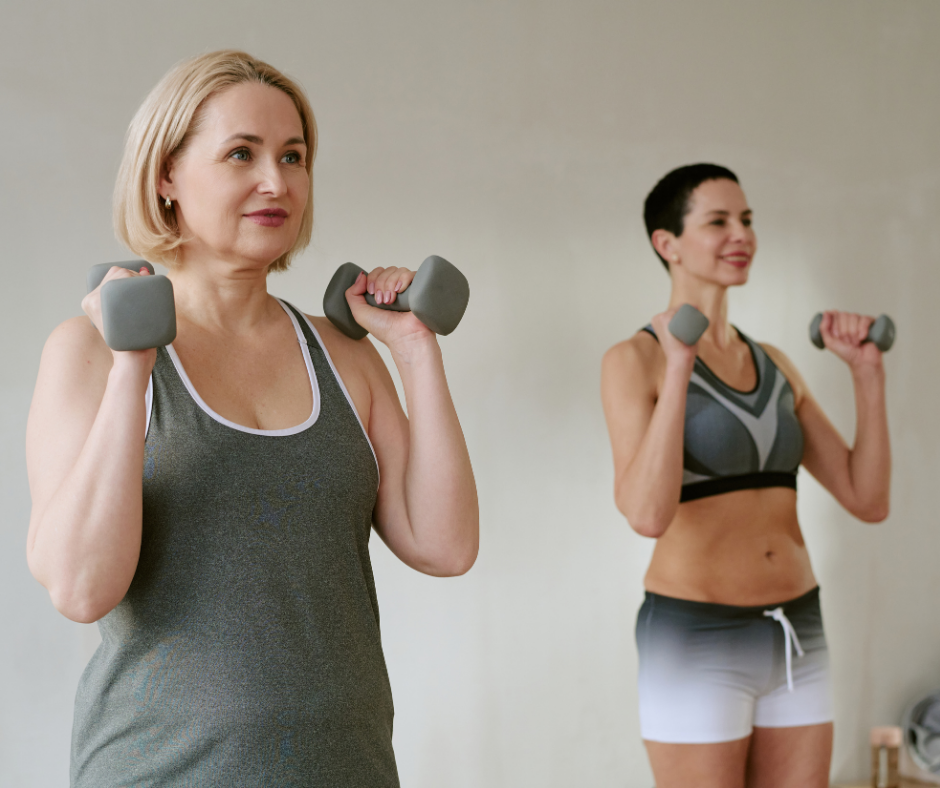
Strength training supports joints, preserves muscle, and protects bone density. Two sessions a week makes a meaningful difference.
Anti-inflammatory nutrition built on omega-3 rich foods, colorful vegetables, and quality protein helps calm inflammation from the inside out.
Daily movement like walking, yoga, or swimming keeps joints mobile and reduces stiffness.
Consistent sleep routines give your body the recovery time it needs to repair and restore.
The Longevità Approach
There are a lot of symptoms that women don’t always think to mention. At Longevità Medical, we conduct a comprehensive consultation to ensure that we have a complete picture of the symptoms and changes that each individual is experiencing. When you describe aching joints or a stubborn shoulder, Julie, a board-certified family nurse practitioner and certified bioidentical hormone replacement therapy provider, considers how those changes fit into your complete hormonal picture.
Your plan starts with comprehensive lab work and a detailed conversation about your symptoms, history, and goals. From there, Julie creates a personalized BHRT protocol and refines it through regular check-ins, adjusting as your body responds so you can keep feeling and moving at your best.
Feel at Home in Your Body Again
Chronic pain in midlife is common, but it doesn’t have to be something you simply live with. Understanding the role your hormones play is the first step toward moving with more comfort, strength, and confidence.
Give your body the attention it deserves. Contact Longevità Medical to schedule a consultation with Julie and explore how balanced hormones can help you feel more like yourself.
Follow @longevitamedical on Instagram for more on hormone health and practical ways to support your body through midlife and beyond.
Leave a Reply