It happens to all of us. You’re mid-sentence, and the word disappears, or you walk into a room and can’t remember why. Maybe you’ve read the same paragraph three times, but you can’t retain anything. You know you’re sharper than this, but something has shifted, and nobody seems to be taking it seriously.
However, we think it’s important that you know this: it’s not in your head. For many women of a certain age, it’s due to their hormones.
Cognitive changes during perimenopause and menopause are among the most common and most distressing experiences women report. Around two-thirds of women experience some form of memory loss or concentration difficulties during the transition of perimenopause and menopause. Still, a majority are never told that their hormones are directly responsible.
The disconnect between what women experience and the lack of explanation has real consequences for how women understand their own health, how proactively they seek treatment, and their long-term brain health outcomes.
Estrogen Isn’t Just a Reproductive Hormone
The most important thing to understand about cognitive changes in menopause is this: estrogen is a neuroprotective hormone. It doesn’t just regulate your reproductive cycle; it also actively supports brain function, protects neural tissue, and influences the neurotransmitters that govern mood, memory, and mental clarity.
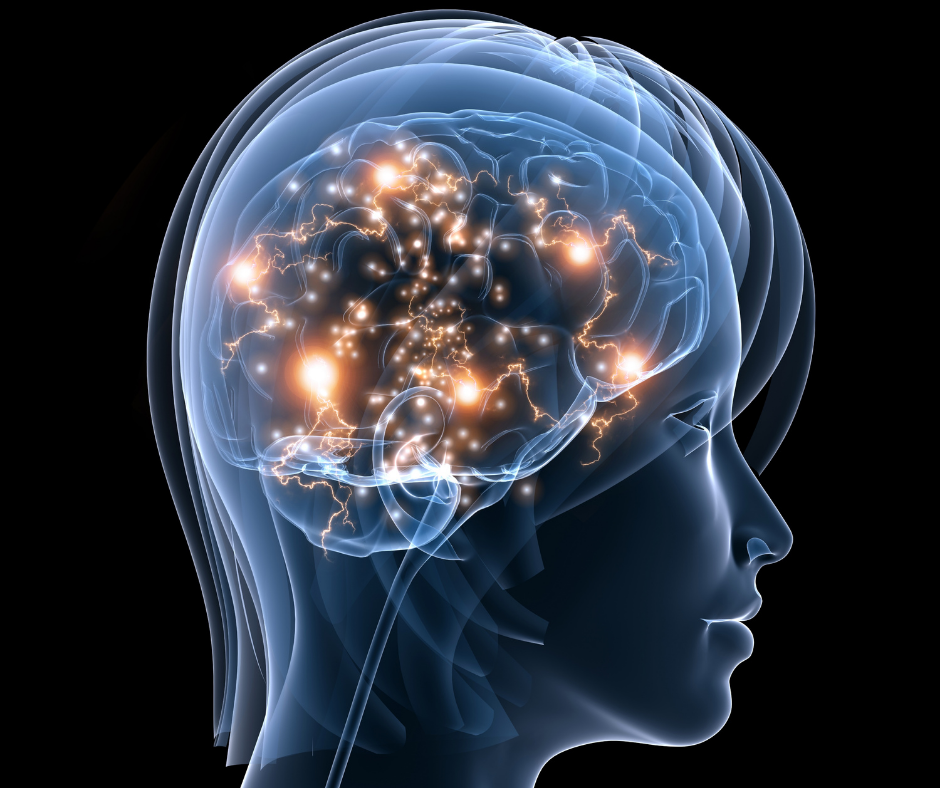
Estrogen receptors exist throughout the brain, concentrated in regions responsible for memory formation, verbal learning, processing speed, and emotional regulation. When estrogen levels decline during perimenopause and menopause, these brain regions feel the impact directly.
Research shows that postmenopausal women have measurably less gray matter in brain regions associated with memory, cognition, and emotions compared to premenopausal women.1 These are documented, measurable neurological changes, not vague subjective complaints.
What Estrogen Does for Your Brain
Estrogen supports cognitive function through multiple specific mechanisms:
Memory and Verbal Learning
Estrogen supports the hippocampus, which functions as the brain’s primary memory center, by helping new memories form and stick. As estrogen declines, verbal memory and word retrieval are often the first things affected. That frustrating experience of reaching for a word that just won’t come? It’s one of the most universally reported symptoms of menopause.
Processing Speed and Mental Clarity
Estrogen helps maintain the protective coating around nerve fibers that allows brain signals to travel quickly. When it declines, that signal transmission slows, contributing to the mental fog many women describe as feeling like they’re “thinking through cotton.”
Mood, Anxiety, and Cognitive Resilience
Estrogen influences the production and regulation of serotonin and dopamine. These neurotransmitters are most associated with mood, motivation, and emotional stability. When estrogen falls, mood instability and anxiety can emerge or worsen, creating a compounding effect on cognitive performance. Anxiety and low mood make it harder to concentrate, remember, and make decisions. Thus, hormonal mood changes can significantly amplify brain fog.
Sleep and Brain Clearance
One of estrogen’s most critical and least discussed roles in brain health is its influence on sleep quality. Restorative sleep isn’t just rest; it’s when the brain performs essential maintenance, consolidating memories and clearing waste products that accumulate during the day.
When estrogen and progesterone decline, sleep suffers. Night sweats, insomnia, and fragmented sleep cycles directly compromise the brain’s ability to recover and reset. Poor sleep makes every other cognitive symptom of menopause worse, creating a cycle that’s difficult to break without addressing the underlying hormonal drivers.
The Specific Cognitive Symptoms of Menopause
Symptoms including poor memory, mental fatigue, and difficulties concentrating, planning, organizing, making decisions, and multitasking have all been documented during the menopausal transition. “Brain fog” is the term most women use to describe the overall experience, and while the term sounds informal, the neurological reality behind it is well-documented.1
Common cognitive symptoms during menopause include:
- Difficulty retrieving words or names
- Short-term memory lapses
- Reduced ability to multitask effectively
- Mental fatigue and difficulty sustaining concentration
- Slower processing speed
- Difficulty making decisions or organizing complex tasks
- A general sense of mental “cloudiness” that wasn’t present before
For many women, these symptoms emerge gradually during perimenopause, often subtle enough to be attributed to stress, aging, or being “too busy.” By the time they’re recognized as hormone-related, significant time may have passed without addressing the underlying cause.
The Long-Term Stakes: Brain Health and Alzheimer’s Risk
The implications of estrogen decline extend beyond day-to-day frustration. Two-thirds of Alzheimer’s patients are women, and research increasingly shows this isn’t simply because women live longer. It’s connected to what happens in the brain when estrogen declines.2
Emerging research suggests that starting hormone therapy within five years of menopause may reduce Alzheimer’s risk by up to 30%. This is a striking statistic that positions hormone optimization not just as a quality-of-life intervention but as a potentially significant neuroprotective strategy.3
The prevention window we talk about for bone and heart health applies equally to your brain. Starting during perimenopause or early menopause, before neurological changes become entrenched, offers the greatest long-term benefit.
Testosterone and Cognitive Function
While estrogen receives the most attention in discussions of menopause and brain health, testosterone also plays a meaningful role in female cognitive function. Testosterone receptors exist in the brain, and declining testosterone levels during menopause contribute to reduced mental clarity, motivation, and cognitive drive.
Women who include testosterone optimization as part of a comprehensive bioidentical hormone replacement therapy protocol often notice improvements in focus, mental energy, and the sense of cognitive sharpness that declining testosterone can erode. This is one of the reasons we evaluate testosterone as part of the complete hormone picture for every patient at Longevità.
The Thyroid Connection
Thyroid function adds another layer to the cognitive health picture. Thyroid hormones regulate brain metabolism, and even mild thyroid dysfunction can produce symptoms, such as fatigue, brain fog, slowed thinking, that closely mirror estrogen decline.
Thyroid evaluation is also part of every comprehensive hormone assessment. Addressing cognitive symptoms effectively means understanding all the hormonal factors that could be contributing.
Targeted Strategies to Support Brain Health
Hormone optimization provides the neurological foundation for cognitive health in midlife, but several habits amplify the benefits:
Omega-3 Fatty Acids
DHA—a specific omega-3 fatty acid—is a primary structural component of brain tissue and one of the most evidence-based supplements for cognitive health. Regular supplementation with quality fish oil or algae-based omega-3s supports brain structure, reduces neuroinflammation, and supports cognitive function throughout midlife and beyond.
Creatine
Creatine isn’t just for athletes. For midlife women, creatine supplementation supports sharper short-term memory, better multitasking, and clearer thinking, particularly during perimenopause and menopause. We carry pharmaceutical-grade creatine from Orthomolecular in-office for our patients.
Quality Sleep
Protecting sleep quality is one of the most impactful things you can do for your brain health during the menopausal transition. Addressing night sweats, sleep fragmentation, and insomnia, whether through hormone optimization, behavioral strategies, or both, preserves the brain’s ability to consolidate memories and clear metabolic waste during rest.
Cognitive Engagement
Consistent mental challenge supports the brain’s ability to form and strengthen neural connections. Reading, learning new skills, solving problems, and engaging in complex tasks all support cognitive resilience alongside hormone optimization.
Stress and Cortisol Management
Chronic cortisol elevation directly impairs memory formation and cognitive function. Managing stress through movement, mindfulness, and adequate recovery supports the hormonal environment that cognitive health depends on.
The Longevità Approach: Cognitive Health as a Longevity Priority
At Longevità Medical, cognitive symptoms are part of the complete hormone picture we evaluate for every patient. When women describe brain fog, memory changes, or mental fatigue, we assess estrogen, progesterone, testosterone, and thyroid function because effective treatment requires understanding which hormonal factors are contributing.
81% of healthcare professionals now report that midlife women are asking more about brain health and cognitive wellness than ever before. Women are connecting the dots between their hormones and their cognitive experience, and they’re right to do so.10
The cognitive changes of menopause are real, measurable, and in many cases addressable through comprehensive hormone optimization, particularly when intervention occurs during the critical window when neuroprotective benefits are greatest.
Your brain health isn’t separate from your hormone health, which is why we treat them both as a part of a comprehensive plan.
Ready to Address the Cognitive Symptoms of Menopause?
If you’re experiencing brain fog, memory changes, or cognitive symptoms you’ve been attributing to stress or aging, comprehensive hormone evaluation may reveal a clearer picture and a more effective path forward.
Contact Longevità Medical at 585.244.1506 or online to schedule your consultation and discover what optimized hormone health can do for your cognitive clarity, your confidence, and your long-term brain health.
References:
- BrainFacts. (2026). ICYMI: Study Identifies Gray Matter Reductions Post-Menopause. https://www.brainfacts.org/neuroscience-in-society/neuroscience-in-the-news/2026/icymi-study-identifies-gray-matter-reductions-post-menopause-021226
- Pharmaphorum. (2025). Women’s Health: Predictions for 2026. https://pharmaphorum.com/market-access/womens-health-predictions-2026
- PubMed Central. (2022). Trends in research related to menopausal hormone therapy from 2000 to 2021: A bibliometric analysis. https://pmc.ncbi.nlm.nih.gov/articles/PMC9649926/
- Zuhlsdorff, K. et al. (2026). Emotional and cognitive effects of menopause and hormone replacement therapy. Psychological Medicine, 56, e24. https://pubmed.ncbi.nlm.nih.gov/41587742/
- The Lancet Obstetrics, Gynaecology, & Women’s Health. (2026). Advances in understanding of cognitive symptoms during menopause. https://www.thelancet.com/journals/lanogw/article/PIIS3050-5038(26)00043-9/fulltext
- Menopause Journal. (2026). Brain and cognitive health at midlife. Menopause, 33(6), 740-742. https://journals.lww.com/menopausejournal/fulltext/2026/06000/brain_and_cognitive_health_at_midlife.15.aspx
- PubMed. (2026). Hormone Therapy is Associated with Better Cognitive Performance in Postmenopausal Women. https://pubmed.ncbi.nlm.nih.gov/42366122/
- American Brain Foundation. (2026). Menopause and the Brain. https://www.americanbrainfoundation.org/menopause-and-the-brain/
- Mira Fertility. (2026). Women’s Health Trends Report. https://shop.miracare.com/blogs/blog/trends-report-2026
- Advisory.com. (2026). Why women are turning to Reddit for health answers. https://www.advisory.com/daily-briefing/2026/08/06/womens-health
Leave a Reply