
If January has you reaching for bread, pasta, and every comfort food within arm’s reach, here’s what you need to hear: this isn’t a failure of willpower; your body isn’t sabotaging your good intentions. Rather, your hormones are working overtime, and winter has created the perfect storm for cravings you can’t seem to shake.
Between shorter days that disrupt your sleep-wake cycle, holiday indulgences that send your blood sugar on a rollercoaster, and the biological urge to seek warmth and comfort through food, your hormones are sending loud, persistent signals. And if you’re navigating perimenopause or menopause? Those cravings become even more intense.
Let’s talk about what’s really happening, and what you can do about it.
The Hormone-Carb Connection You Need to Understand
Estrogen and Serotonin: The Missing Link
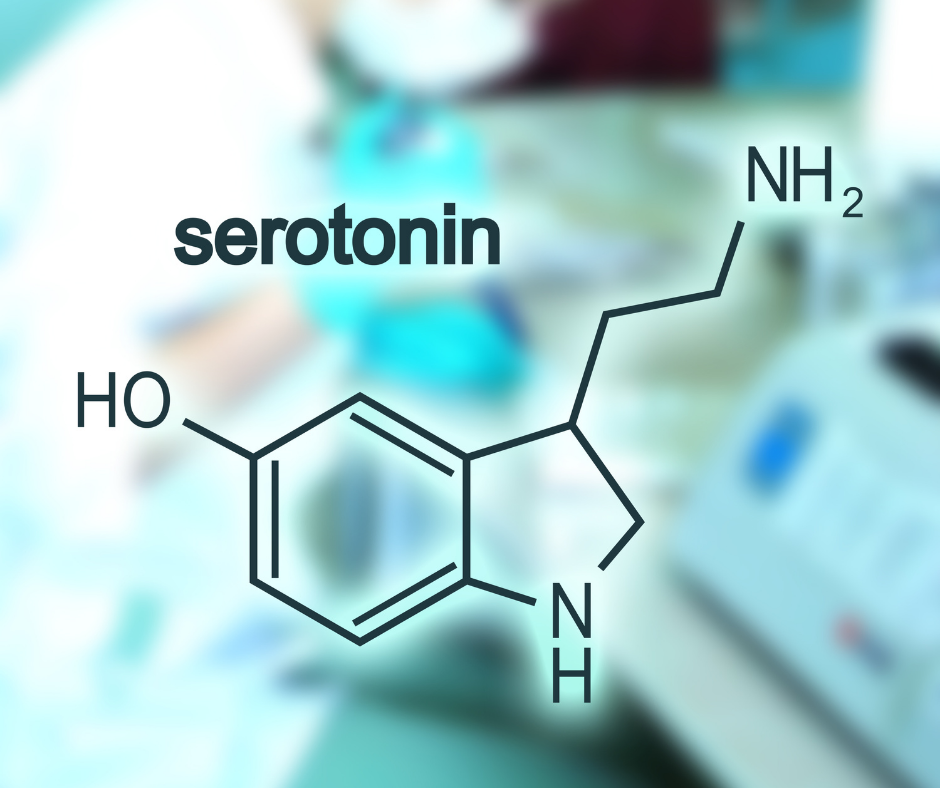
Declining estrogen doesn’t just affect your menstrual cycle or energy levels; it also directly impacts serotonin production. Serotonin is the neurotransmitter that regulates mood, sleep, and appetite. When estrogen drops, serotonin follows. Your brain registers this deficit and sends urgent signals for the fastest fix available: carbohydrates.
Carbs temporarily boost serotonin levels, which is why that bowl of pasta or slice of bread feels so satisfying in the moment. Your body isn’t being difficult, it’s desperately trying to restore chemical balance using the tools it knows work quickly.
Insulin Resistance: The Holiday Hangover
The holiday season often means irregular eating patterns, more sugar than usual, and maybe a more-than-typical amount of celebratory cocktails. This combination creates chaos for your insulin response. When insulin spikes repeatedly over weeks, your cells become less responsive to it. The result? Your body demands more carbohydrates to achieve the same blood sugar stabilization it used to get easily.
This insulin resistance doesn’t vanish on January 1st. It lingers, driving cravings and making it feel nearly impossible to get back to your normal eating patterns.
Cortisol: Your Stress Hormone on Overdrive
Between travel, family dynamics, financial pressure, and the general overwhelm of the season, your cortisol levels have been elevated for weeks. Chronic stress doesn’t just make you tired; it actively suppresses progesterone production and increases your appetite, particularly for high-calorie, high-carb foods.
Cortisol also signals your body to store fat, especially around your midsection. So even if you’re eating the same way you did before the holidays, your stressed-out body is responding differently.
What the Holidays Did to Your Hormones
The past few months created a cascade of hormonal disruption that extends far beyond a few extra pounds on the scale.
Blood Sugar Chaos
Holiday treats, irregular meal timing, and the constant availability of sweets creates insulin spikes that interfere with your other hormones. When insulin is chronically elevated, it suppresses sex hormone-binding globulin (SHBG), which means more free testosterone and estrogen circulating in your system. This imbalance shows up as fatigue, mood swings, and more cravings.
Liver Overload
Your liver is responsible for metabolizing and eliminating excess hormones. When it’s overwhelmed by processing alcohol, sugar, and rich foods, it can’t keep up with its hormone-balancing duties. Estrogen that should be broken down and eliminated gets recirculated, creating estrogen dominance symptoms like bloating, irritability, and weight retention.

Sleep Disruption = Hormone Disruption
Late nights, travel across time zones, and stress-induced insomnia all interfere with the delicate hormonal dance that happens while you sleep. Growth hormone, which aids in tissue repair and metabolism, is released during deep sleep. Leptin and ghrelin, your hunger-regulating hormones, depend on quality sleep to function properly. When sleep suffers, hunger increases, and the signals that tell you when you are full weaken.
Why Your Liver Is the Key to Hormone Recovery
If there’s one organ that deserves extra attention this month, it’s your liver. Think of it as your hormone processing center. When it’s functioning optimally, hormones flow in and out smoothly. When it’s overwhelmed, everything backs up.
Your liver converts estrogen into safer metabolites for elimination through a two-phase detoxification process. It processes the nutrients your body needs to produce hormones. It clears toxins that can act as endocrine disruptors. And it plays a crucial role in blood sugar regulation through glycogen storage and glucose production.
Supporting your liver isn’t about trendy cleanses or restrictive detoxes. It’s about reducing the burden while providing the nutrients it needs to do its job efficiently.
Your Hormone Recovery Action Plan
The good news? Your body wants to return to balance. With strategic support, you can restore hormonal harmony faster than you think.
Sleep & Recovery: The Foundation
Quality sleep is non-negotiable for hormone balance. During deep sleep, your body repairs tissues, consolidates memories, and produces essential hormones.
What to do:
- Consider adding magnesium glycinate to your bedtime routine. Magnesium supports GABA production, the calming neurotransmitter that helps you fall and stay asleep.
- Maintain consistent sleep and wake times, even on weekends. Your circadian rhythm thrives on predictability.
- Create a wind-down routine that signals bedtime: dim lights, cool temperature, no screens for at least an hour before sleep.
Why it matters: Just two nights of poor sleep can decrease insulin sensitivity by 25%. Chronic sleep deprivation suppresses leptin (the hormone responsible for feeling full after eating) and increases ghrelin (your hunger hormone), making cravings nearly impossible to resist.
Sugar Reset: Breaking the Cycle
Sugar isn’t just empty calories, it’s also a hormonal disruptor. When you consume it regularly, your taste buds adapt, your insulin response changes, and your dopamine receptors become less sensitive, requiring more sugar to achieve the same satisfaction.

What to do:
- Commit to 7-14 days without added sugars. Focus on whole foods: vegetables, lean proteins, healthy fats, and limited fruit.
- Replace sugary beverages with herbal tea, lemon water, or sparkling water with fresh mint or cucumber.
- Read labels carefully. Sugar hides in unexpected places like salad dressings, sauces, and “healthy” snacks.
Why it matters: Within 3-5 days of eliminating added sugar, your taste buds begin to reset. Foods that once tasted bland suddenly have flavor. Your energy stabilizes. Your cravings diminish. And your insulin sensitivity improves, making it easier for your body to use food for energy rather than storing it as fat.
Movement & Metabolism: Gentle Consistency
You don’t need intense workouts to support hormone balance. In fact, excessive high-intensity exercise can elevate cortisol further when your body is already stressed.
What to do:
- Walk for 30 minutes daily. Morning sunlight exposure during your walk helps regulate circadian rhythm and supports vitamin D production.
- Take 10-minute walks after meals. This simple habit improves insulin sensitivity and aids digestion.
- Add gentle strength training twice weekly. Muscle tissue is metabolically active and helps regulate blood sugar even at rest.
Why it matters: Movement increases insulin sensitivity, supports healthy cortisol patterns, promotes quality sleep, and triggers endorphin release, all without adding stress to an already taxed system.
Week-by-Week Implementation
Week 1: Sleep Foundation
Speak to your hormone or healthcare provider about starting to take magnesium glycinate 30 minutes before bed. Observe if and how your sleep quality changes. Notice if you wake feeling more refreshed, if you’re falling asleep more easily, or if middle-of-the-night waking decreases.
Week 2: Sugar Elimination
Replace all sugary drinks for seven days. This single change often creates the most dramatic shift in energy and cravings. Your morning coffee doesn’t need sweetener—your taste buds just need time to adjust.

Week 3: Movement Habit
Commit to a 10-minute walk after dinner each evening. This isn’t exercise for weight loss, it’s movement for blood sugar stabilization and stress relief. Make it non-negotiable, like brushing your teeth.
Week 4: Assess and Continue
Evaluate which changes made the biggest difference in how you feel. Choose one or two habits to maintain long-term. Small, consistent actions create lasting transformation.
If You’re on BHRT: Why This Reset Matters Even More
Bioidentical hormone replacement therapy provides your body with optimized hormone levels, but BHRT works best when supported by stable blood sugar, quality sleep, and efficient liver function.
Think of BHRT as providing the foundation: the hormones your body needs to function optimally. But if your liver is overwhelmed, your blood sugar is unstable, and your sleep is disrupted, that foundation can’t support the structure you’re trying to build.
When you combine BHRT with the lifestyle support outlined above, you’re not just managing symptoms, you’re creating an environment where your hormones can work as they’re designed to. Patients consistently report that when they implement these changes alongside their BHRT protocol, they experience:
- More stable energy throughout the day
- Reduced cravings and easier weight management
- Improved mood and mental clarity
- Better sleep quality
- Enhanced libido and overall vitality
The Compassion Component
Here’s what we want you to remember: your body is not your enemy. Those cravings aren’t moral failings. The fatigue, the weight retention, and the mood swings are all signals that your hormones need support.
January doesn’t have to be about restriction, punishment, or “getting back on track” through sheer force of will. It can be about listening to what your body needs and responding with compassion and strategic support.
You’re not starting over. You’re recalibrating. And that’s a very different thing.
When to Seek Professional Support
If you’re implementing these changes and still struggling with intense cravings, persistent fatigue, unexplained weight gain, or mood disruption, it may be time to have your hormone levels evaluated.
Bioidentical hormone replacement therapy, when personalized to your unique needs, can restore the balance your body is seeking. Combined with the lifestyle support strategies outlined above, BHRT creates a comprehensive approach to hormonal wellness that addresses both the symptoms and the root causes.
Your Next Steps
Supporting your body’s hormone recovery doesn’t require perfection. It requires consistency, compassion, and a willingness to honor what your body is telling you.
Start with one change this week. Add another next week. Notice how you feel. Adjust as needed. And remember: the goal isn’t to fight against your biology, it’s to work with it.
Questions about hormone balance, BHRT, or creating a personalized recovery plan? Contact Longevità Medical at 585.244.1506 to schedule a consultation with Julie, our certified hormone provider. Let’s make this your year of hormonal harmony.
Individual results may vary. This information is for educational purposes and is not intended to diagnose, treat, cure, or prevent any disease. Always consult with a healthcare provider before making changes to your health routine.
Leave a Reply