

You’re taking bioidentical hormones. Your levels look good on paper. So why aren’t you feeling as dramatically better as you expected?
“This is a question I have heard at Longevità Medical, and the answer often lies beyond the hormones themselves. When patients tell me their BHRT results aren’t as transformative as they’d hoped, I look at what might be interfering with optimal hormone function. This could be one or a combination of environmental toxins, processed foods, chronic stress, and sluggish detoxification pathways,” Julie, nurse practitioner and certified advanced bioidentical hormone replacement therapy provider, shares.
Your hormones don’t work in isolation. They function within a complex internal ecosystem, and when that ecosystem is compromised, even perfectly balanced hormone levels may not deliver the results you’re looking for.
Why Your Internal Environment Matters
Think of your body as a finely tuned system where hormones are the messengers carrying important instructions to cells throughout your body. But what happens when those messengers encounter obstacles? When the pathways they travel are congested? When interference disrupts their signals?
Your hormones operate within an environment that includes your liver (which metabolizes hormones), your gut (which eliminates them), your adrenal glands (which respond to stress), and your cellular detoxification pathways (which clear toxins that can interfere with hormone function). When this system is overwhelmed by environmental toxins or compromised by nutritional deficiencies, hormones can’t work as effectively, no matter how precisely your levels are optimized.
This is why some patients start bioidentical hormone replacement therapy and feel dramatically better within weeks, while others see modest improvements despite similar hormone protocols. The difference often lies in how efficiently their body’s supporting systems are functioning.
The Hidden Hormone Disruptors in Your Daily Life
We live in an unprecedented era of chemical exposure. The average woman uses 12 personal care products daily, exposing herself to over 160 unique chemicals before she even leaves the house. Men are also exposed through the products they use. Many of these chemicals act as endocrine disruptors, which are substances that interfere with your body’s hormone systems.
Synthetic Fragrances: That “fresh linen” laundry detergent, the scented candle creating ambiance, your favorite perfume or cologne, these often contain phthalates and other chemicals that mimic estrogen in your body, confusing your hormone receptors and creating an imbalance.
Plastics: BPA and related compounds in plastic food containers, water bottles, and food packaging leach into your food and beverages, acting as weak estrogens that disrupt your carefully optimized hormone balance.
Conventional Cleaning Products: Many household cleaners contain hormone-disrupting chemicals that you absorb through your skin and breathe into your lungs, adding to your total toxic burden.
Pesticides: Residues on conventionally grown produce can interfere with hormone function and add to the workload your detoxification systems must manage.
These exposures are individually small, but they’re constant and cumulative. Your body must process and eliminate each of these chemicals, and when the toxic load exceeds your detoxification capacity, the overflow can interfere with hormone function.
When Your Detox Pathways Can’t Keep Up
Your liver is your primary detoxification organ, and it’s also where most hormone metabolism happens. When your liver is overwhelmed processing environmental toxins, alcohol, medications, and metabolic waste, it can’t efficiently process hormones.
This creates a cascade of problems: hormone metabolites that should be eliminated get reabsorbed, creating a hormonal imbalance even when your initial hormone levels are optimal. Toxins accumulate rather than being cleared, creating inflammation and cellular stress. Nutrient deficiencies develop because your body exhausts the vitamins and minerals needed for detoxification processes.
The result? Symptoms like unexplained weight gain (especially around your midsection), mood swings that don’t match your hormone levels, persistent fatigue despite adequate sleep, difficulty losing weight even with diet and exercise, bloating and digestive issues, and brain fog that doesn’t resolve with hormone optimization.
These symptoms don’t mean BHRT isn’t working, but they may mean your body needs additional support to create an internal environment where hormones can function optimally.
Our Approach at Longevità: Comprehensive Hormone Optimization
We believe that hormone optimization extends far beyond prescribing bioidentical hormones. We look at the entire ecosystem that supports hormone function, because the patients who see the most transformative results are those who address the foundations alongside their BHRT.
“I recommend what I call ‘gentle hormone detox strategies,’ sustainable habits that reduce toxic load while supporting your body’s natural detoxification processes,” says Julie. This isn’t about extreme cleanses, elimination diets, or expensive supplement protocols. It’s about creating an internal environment where your hormones can work as intended.
The most effective approach combines three key elements:
Targeted nutrition that provides the specific nutrients your detoxification pathways need to function optimally.
Lifestyle habits that support your body’s natural cleansing processes, allowing it to function efficiently.
Strategic reduction of environmental toxin exposure, decreasing the burden your body must process.
The connection between supporting detoxification and optimizing hormone results isn’t theoretical; it’s something that has been observed consistently in clinical practice.
The Strategies That Make the Biggest Difference
Support Natural Detoxification Through Nutrition
Your body has sophisticated detoxification systems, but they require specific nutrients to function optimally:

Cruciferous vegetables like broccoli, Brussels sprouts, cauliflower, and cabbage contain compounds called glucosinolates that support Phase 2 liver detoxification, which is the process that neutralizes hormone metabolites and toxins for elimination. Aim for at least one serving daily.
Adequate fiber binds to hormone metabolites and toxins in your digestive tract, carrying them out of your body rather than allowing reabsorption. Target 25-35 grams daily from vegetables, fruits, whole grains, and legumes.
Quality protein provides the amino acids your liver needs to run detoxification processes efficiently. Include protein at each meal, whether from animal sources like fish, poultry, and eggs, or plant sources like legumes and quinoa.
Proper hydration supports every detoxification pathway in your body. Your kidneys, liver, and lymphatic system all depend on adequate fluid to function. Aim for half your body weight in ounces of water daily.
Antioxidant-rich foods protect your cells from the oxidative stress that toxin processing creates. Colorful vegetables and fruits, green tea, and herbs and spices all provide protective antioxidants.
This isn’t about following a restrictive diet. By consistently choosing nutrient-dense whole foods that support your body’s natural processes, it can make a big difference.
Optimize Your Body’s Cleansing Systems
Your body performs most of its detoxification work through specific biological processes that you can support through lifestyle habits:
Regular movement supports lymphatic drainage. Unlike your cardiovascular system, which has your heart to pump blood, your lymphatic system relies on muscle movement to circulate lymph fluid and clear cellular waste. Walking, yoga, strength training, or any movement you enjoy helps this process.
Quality sleep is when most cellular detoxification happens. During deep sleep, your brain’s glymphatic system clears metabolic waste, and your liver processes accumulated toxins. Prioritizing 7-9 hours of quality sleep is essential for detoxification.
Stress management matters because chronic stress impairs detoxification pathways. When your body is in a constant stress response, it prioritizes survival over housekeeping functions like detoxification. Practices that activate your parasympathetic nervous system include deep breathing, meditation, time in nature, or activities you find restorative.
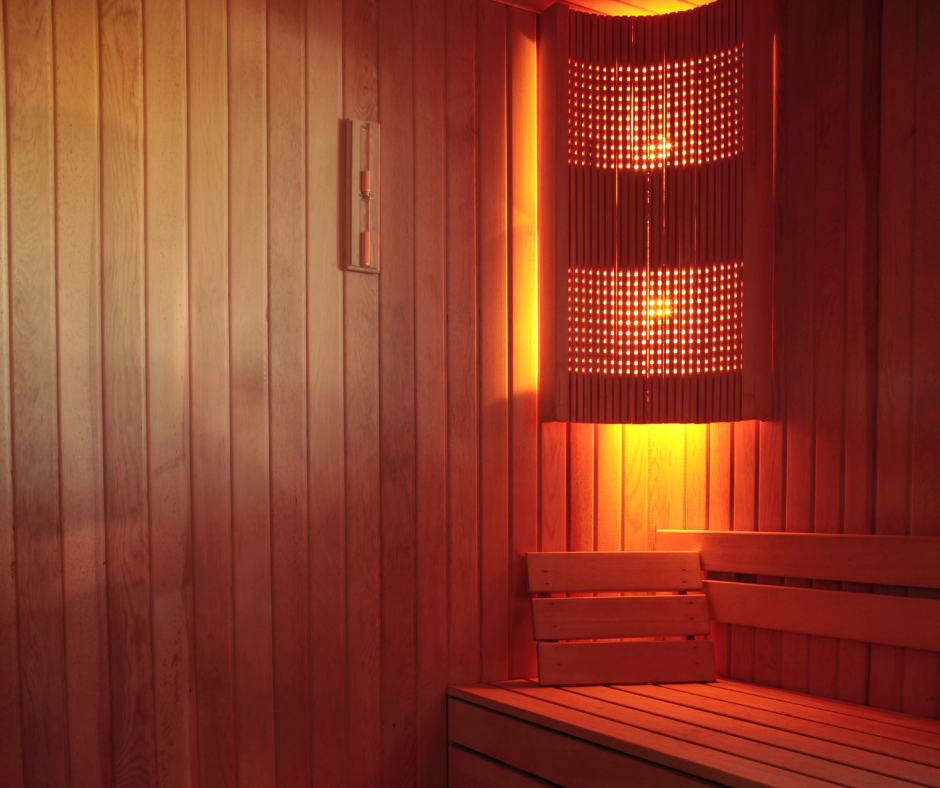
Sweating through exercise or sauna use helps eliminate certain toxins through your skin. While this isn’t your primary detoxification pathway, it provides additional support for toxin elimination.
These are sustainable practices that support your body’s innate capacity to maintain balance.
Clean Up Your Environment
You don’t need to throw out everything in your home or live in a bubble. Small, strategic changes significantly reduce your toxic burden:
Switch to fragrance-free products: Choose unscented laundry detergent, skip the fabric softener (which is loaded with endocrine disruptors), and replace air fresheners and scented candles with essential oil diffusers or simply opening windows.
Minimize plastic exposure: Store food in glass containers, use stainless steel water bottles, and avoid heating food in plastic. When you do use plastic, choose products labeled BPA-free.
Choose cleaner personal care products: You don’t need to overhaul your entire routine overnight. Start with the products you use most frequently or apply to large areas of skin. Look for simpler ingredient lists and avoid products with “fragrance” or “parfum” listed.
Use safer household cleaners: Many effective cleaning solutions can be made from simple ingredients like vinegar, baking soda, and castile soap. For products you purchase, choose those with transparent ingredient lists from companies committed to avoiding endocrine disruptors.
These changes reduce the toxic load your body must process, freeing up detoxification capacity for optimal hormone metabolism.
Beyond the Quick Fix: Sustainable Hormone Optimization
The supplement industry would love to sell you expensive “detox kits” promising rapid results. But real, lasting hormone optimization doesn’t come from seven-day cleanses or elimination diets that you can’t sustain.
A focus on gentle, consistent strategies that become part of your lifestyle rather than temporary interventions is the place to start. This creates an internal environment that supports optimal hormone function not just for a short period of time, but for years and decades to come.
This approach requires patience, but it delivers sustainable results. When you reduce toxic exposure, provide the nutrients your detoxification pathways need, and support your body’s natural cleansing processes, you’re creating the foundation for long-term hormonal balance and vitality.
Ready to Optimize Your Internal Environment?
Spring is the perfect time to refresh your approach to hormone optimization. Contact Longevità Medical to schedule a comprehensive consultation with Julie. We’ll evaluate not just your hormone levels, but the environmental and nutritional factors that influence how effectively your body can use those hormones. Together with you, Julie will create a personalized strategy that addresses the foundations of hormone function for optimal hormone metabolism.
Your hormones can only work as well as the internal environment you create for them. Let’s make sure that environment supports your vitality, energy, and long-term health.
Follow @longevitamedical on Instagram for practical strategies to support hormone health.
Leave a Reply